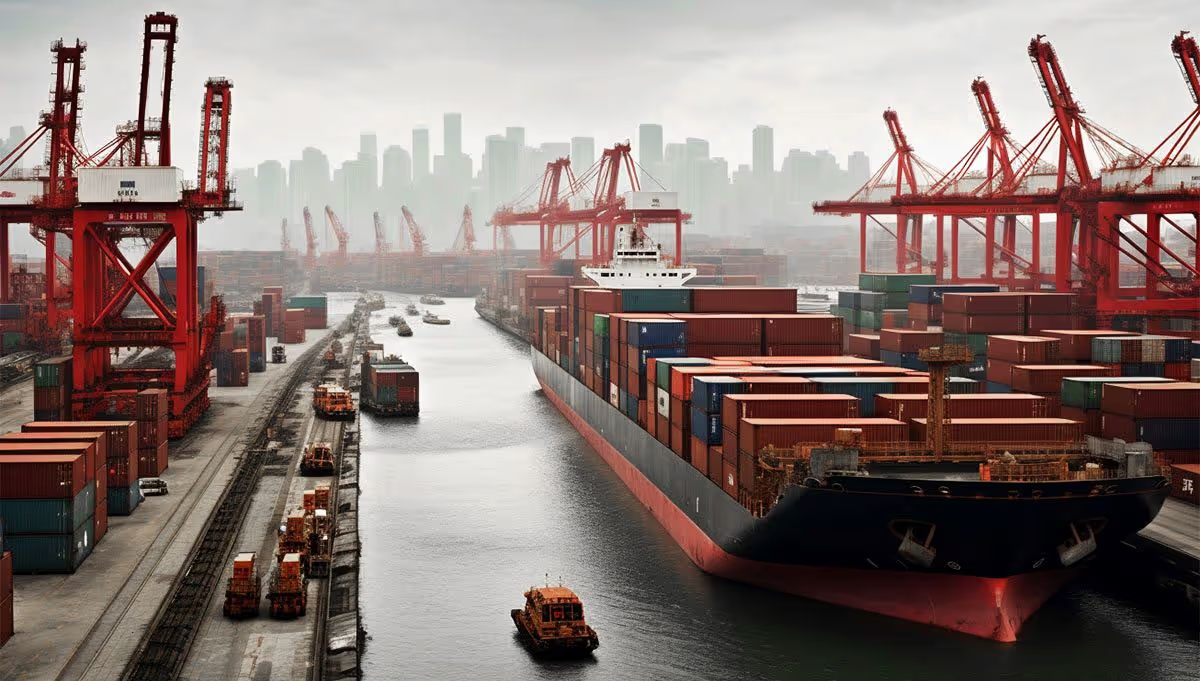
How to Import Steel from China?
6 Steps to Check before Importing
Steel standards are classification, evaluation,and specification systems for chemical, mechanical, and metallurgical characteristics of various types of steels and ferrous alloys used in the manufacturing of components, machines, and structures. Steel standards aid metallurgical labs, producers, and end-users in the production, processing, and use of steel.
Widely used international standards
(National Standards of the People's Republic of China)Chinese GB
(American Iron and Steel Institute –The Society of Automotive Engineers):AISI-SAE
(EN):Euronorm
(Japanese Steel Standards):JIS
(American Society for Testing and Materials / American Society of Mechanical Engineers ASTM)ASME
(Deutsches Institut fur Normung e.V)DIN
Many manufacturers and providers of steel have developed their own distinctive commercial names to differentiate steel types, beyond the numerous standards already mentioned. Over the years, some of these names have become widely recognized and used in the industry, often being referred to as common or trade names without necessarily indicating the original supplier.
Corresponding grades of steel under different standard
Take wear resistant steel as an example:

Despite the variance in nomenclature between the Chinese standard and Swedish standard hardox 400, both steel grades are subjected to rigorous quality assurance processes. This includes stringent checks on their chemical makeup, physical characteristics, and resistance to wear, all to guarantee their suitability for a range of industrial uses. NM400
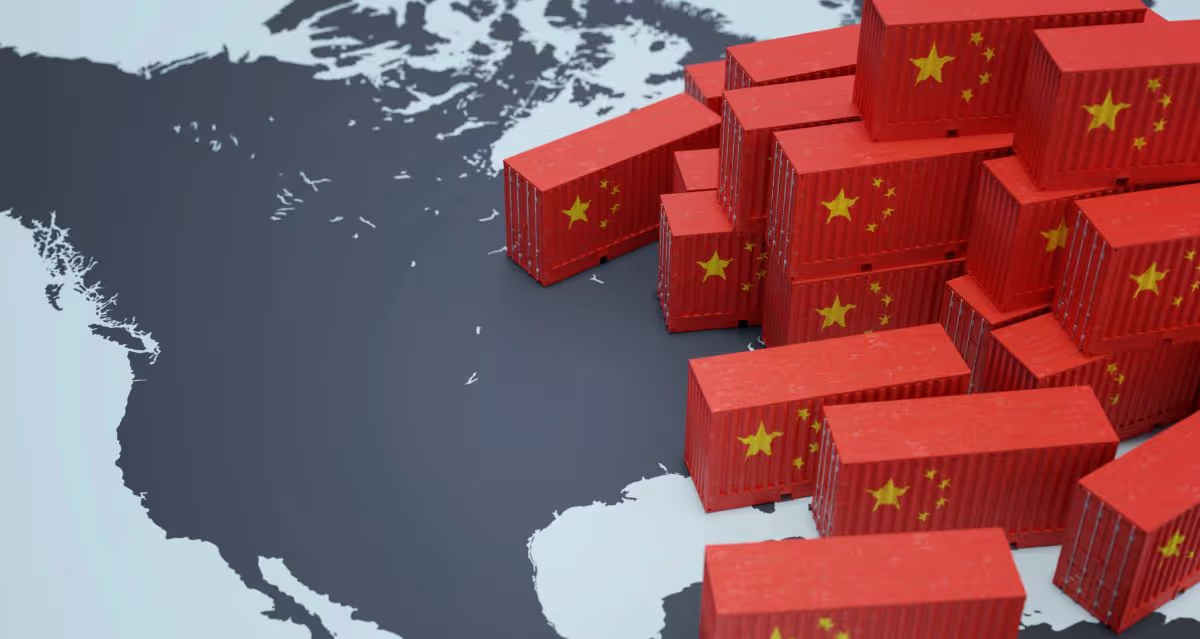
Common types of taxes related to imports and exports
: These are levied on goods imported from third countries. Typically, such tariffs are designed to protect domestic industries from foreign competition by increasing the cost of imported goods to encourage domestic consumption.Third-Country Tariffs
: Surcharges are additional tariffs imposed on top of the normal tariffs. They may be established for special reasons or policy needs, such as balancing trade deficits or imposing economic sanctions on certain countries.Surcharges
: These are tariffs imposed in response to dumping practices. Dumping refers to foreign producers selling goods at prices lower than cost or below the domestic market price. Anti-dumping duties aim to prevent foreign goods from harming domestic industries by undercutting prices.Anti-Dumping Duties
: This type of tax targets subsidies provided by foreign governments to their exported goods. Countervailing duties are levied to offset the unfair competitive advantage brought by foreign subsidies, protecting domestic industries.Countervailing Duties
: A tax levied on imported goods similar to the VAT on domestic goods, ensuring fair competition in taxation between imported and domestic goods.Value-Added Tax (VAT)
Duty rates related to steel importing
Prior to importing goods, it is essential for business owners to ascertain the tariff rates applicable to their selected merchandise. Being well-versed in the tariff amount and the Harmonized System (HS) code associated with your product is vital for the customs clearance process.
Items manufactured from steel are categorized within Section XV, "Base Metals and Articles of Base Metal," which includes Chapter 72 for iron and steel, and Chapter 73 for articles crafted from iron or steel.
When preparing to import steel from China, it is imperative to familiarize yourself with the tariff schedules for both:
- Iron and steel products, as classified under Chapter 72,
- Iron or steel articles, as detailed in Chapter 73.
HS code in Europe:https://www.tariffnumber.com/
https://www.trade.gov/customs-info-database-user-guideHS code in United States:
https://www.hsbianma.com/HS code in China:
Anti-dumping duty for steel from China
Beneficial importation of steel and steel-made articles from China may be suggested by their low tariff rates. However, it is crucial to remember that certain steel products are subject to additional payments in the form of anti-dumping duties. These duties have been established to regulate the influx of Chinese steel into the European Union, thereby lessening the competitive pressure on European manufacturers in this sector.
The anti-dumping duties are recorded in the TARIC (Trade and Tariff Integrated Classification) system, where you can access the latest information regarding these duties and determine the specific rates applicable to any given product. For instance, such duties have been applied to road-use steel wheels, specific iron or non-alloy steel pipes and tubes, and certain stainless steel hot-rolled sheets and coils.
It is advisable to regularly consult the TARIC system's website to stay informed about any changes or updates concerning anti-dumping duties that may affect your import decisions.
In China's steel industry, state-owned enterprises play a dominant role, with prominent steel groups such as Baowu Group, Ansteel, Shougang, and Xingcheng Special Steel. Baosteel Corporation, a wholly-owned subsidiary of Baosteel Group, stands out with the largest production capacity in China's steel market, and its product quality is also recognized as one of the best in the industry. Baosteel boasts the most advanced steel making technologies, and its high-grade and are among its flagship products. silicon steelultra-high-strength wear-resistant steel
Select the right supplier is a crucial step to ensure the quality and supply stability of steel materials. When confirming the qualifications of a supplier, those who have long-term cooperation with steel mills usually hold a certificate as an authorized dealer, and their qualifications can be verified by third-party inspection companies. Our company, , has established long-term cooperative relationships with major steel mills and enjoys a good reputation in the industry, capable of providing to our customers.Baohui Steel Limitedhigh-quality steel products
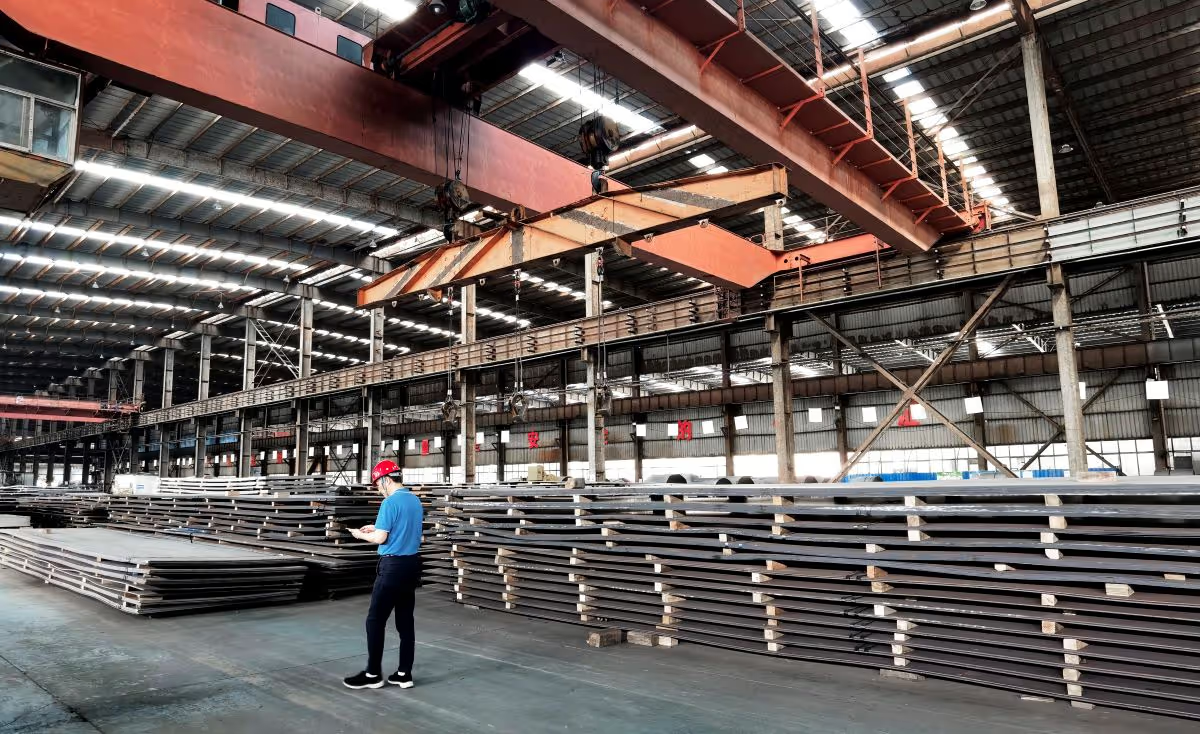
Visual Inspection of Steel Products
Different industry sectors have specific expectations regarding the appearance of steel products, which are detailed in pertinent industry standards. For instance, Wear-resistant steel, known for its exceptional durability and longevity in high-abrasion environments, is a critical material in various industries. Its surface characteristics not only reflect its aesthetic quality but also serve as indicators of its intrinsic performance.
The flatness of wear-resistant steel plates is a vital parameter that reflects the material's processability. Quality wear-resistant steel ensures an even plate surface with all four corners balanced, indicating no warping or distortion. This attribute is essential for maintaining stability and uniformity during further processing and applications.Flatness:
wear-resistant steel is prone to rust when exposed to air, even in indoor storage, typically within three days. Light surface rust is removable and does not impede functionality. However,requires prompt attention, as it can affect the steel's integrity. Proper inspection and maintenance are essential to prevent rust from compromising the steel's performance and longevity.Rust condition: severe rust from water immersion
The presence of welding cracks should be minimal, with fine and evenly spaced patterns. The propagation of these cracks should be narrow and within an acceptable range, signifying proper welding techniques that uphold the structural integrity of the material.Welding Cracks:
The dimensions of the surfacing layer on wear-resistant steel must be even and consistent, without noticeable undulations. This smoothness is indicative of precise surfacing processes, which are paramount for enhancing the material's wear resistance.Surfacing Layer Dimensions:
Welding defects, when present, should be within a reasonable threshold to prevent any compromise in the material's load-bearing capabilities and wear resistance.Welding Defects:
The application of surface coatings on wear-resistant steel should result in an even distribution of paint, with consistent thickness and no evidence of filler applications. This not only elevates the aesthetic appeal but also provides additional corrosion protection.Surface Coating:
The edges of wear-resistant steel should exhibit linear precision without any burrs, a testament to high-quality cutting processes that ensure the integrity and cleanliness of the material's periphery.Edge Quality:
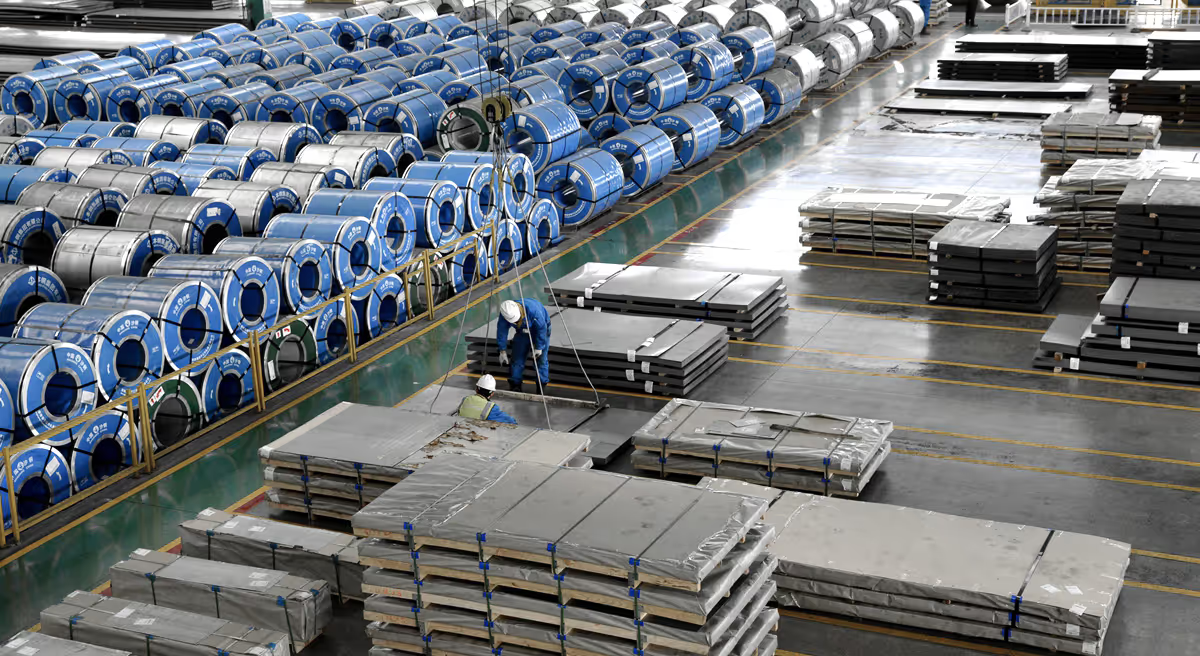
Product Quality Testing
Manufacturers conduct a suite of tests in accredited laboratories, ensuring that all testing equipment is periodically calibrated. The range of properties assessed and the corresponding testing methodologies are explicitly outlined in the relevant standards. The testing protocols can vary significantly even among products within the same category. For large quantity, we can arrange additional quality test.
The thickness of the wear-resistant layer is measured after grinding to ensure the surfacing layer is distinct. Multiple measurements are taken and an average value is calculated to guarantee accuracy and consistency in the layer's depth.Wear Layer Thickness:
The total thickness of the steel plate is meticulously controlled within an allowable range according to the quality certificate, ensuring that the material meets the dimensional specifications required for various applications.Total Plate Thickness:
The hardness of the wear-resistant steel is maintained within a specified range. This hardness spectrum is crucial for providing the optimal balance between wear resistance and toughness.Hardness:
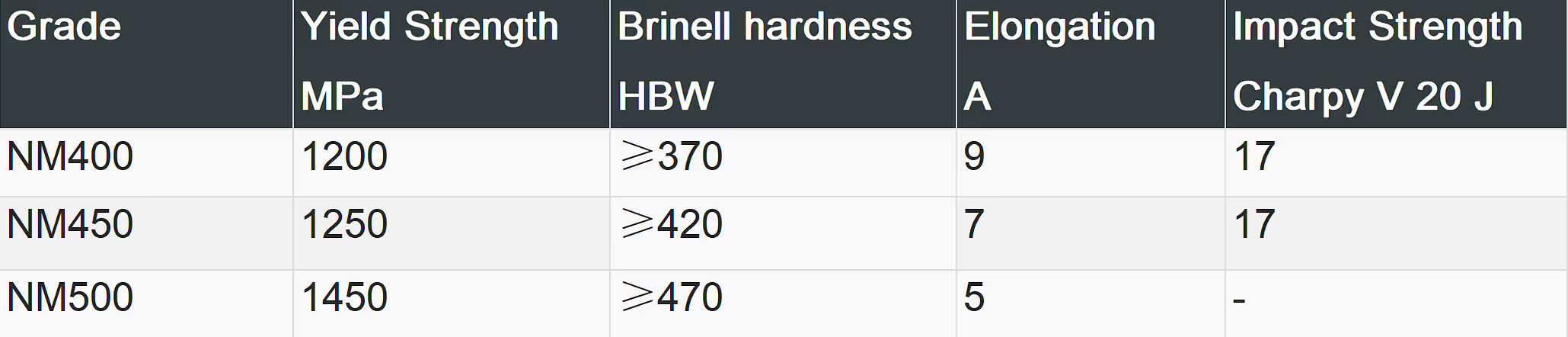
Whenever feasible, the measurement of the alloy's composition is conducted to verify the presence of elements that contribute to the steel's wear resistance and other desired properties.Composition:

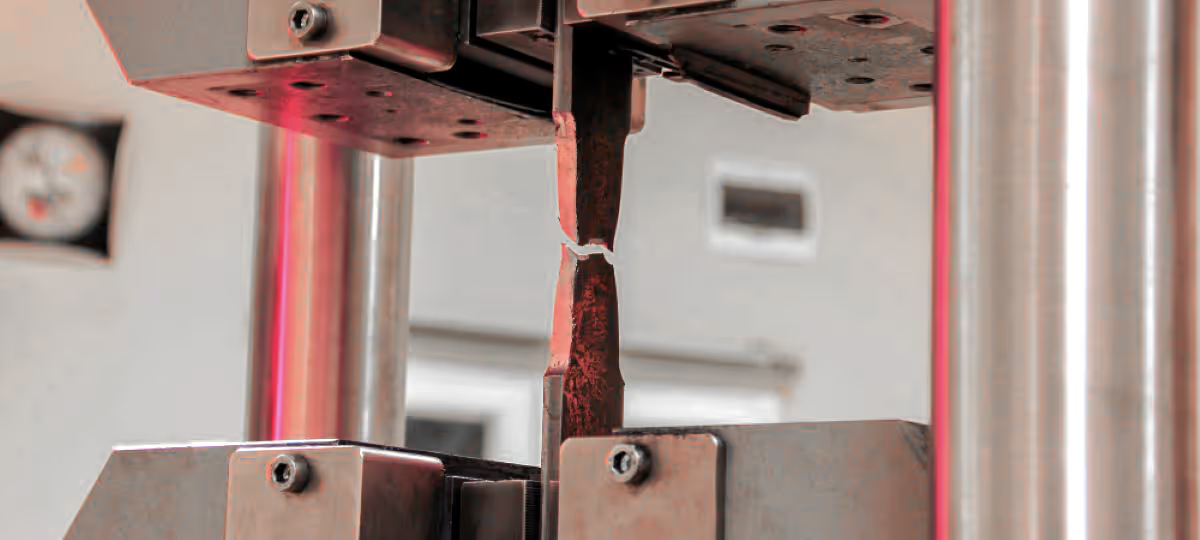
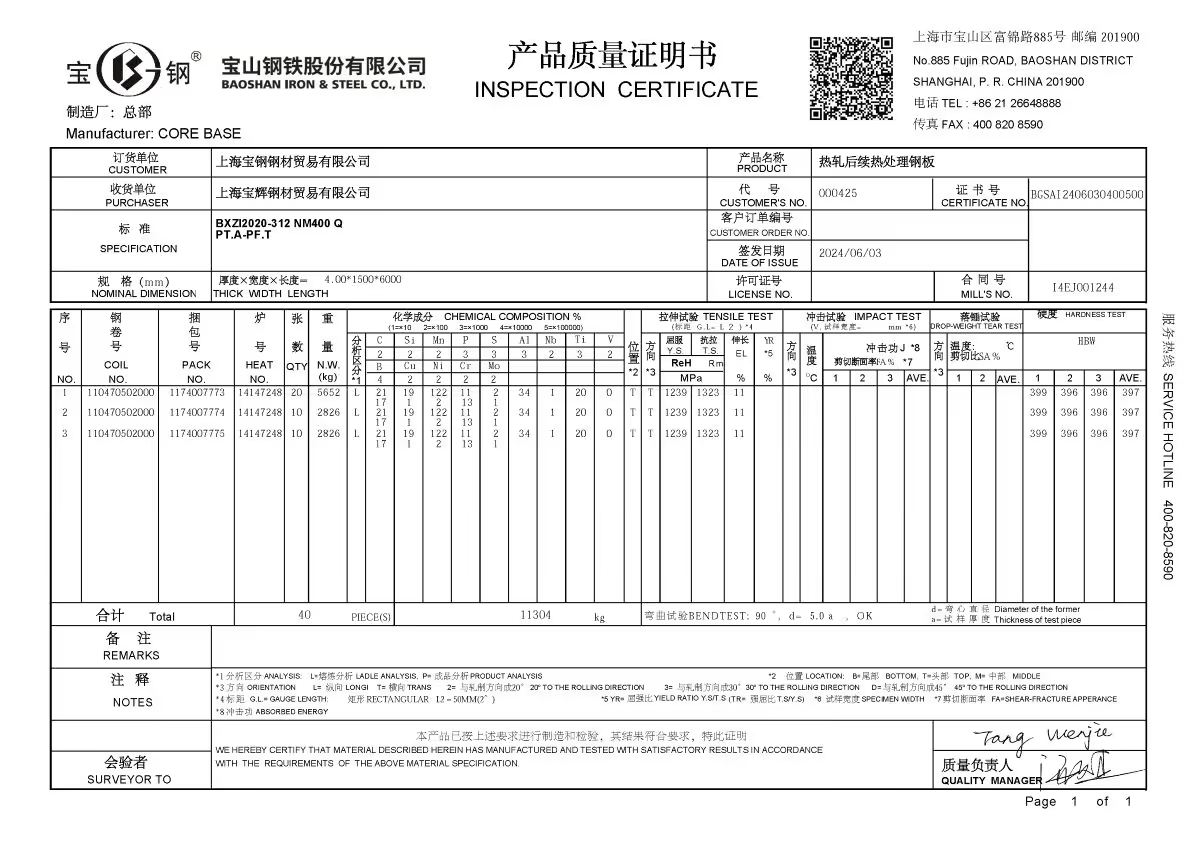
Trusting Quality Certifications
Many buyers place their trust in quality certifications, particularly when they have an established, long-term relationship with the steel manufacturer. The necessity to verify the quality of steel products typically arises in the event of processing issues.
When faced with the choice of a steel supplier among several unfamiliar producers, it may be prudent to order a trial batch and verify its quality using one's own testing equipment. Once a reliable supplier has been identified, their quality certifications can be relied upon. Finding a dependable partner can alleviate the need for continuous product testing, thereby saving time and simplifying the production process. This is a clear benefit of opting for a long-term partnership.
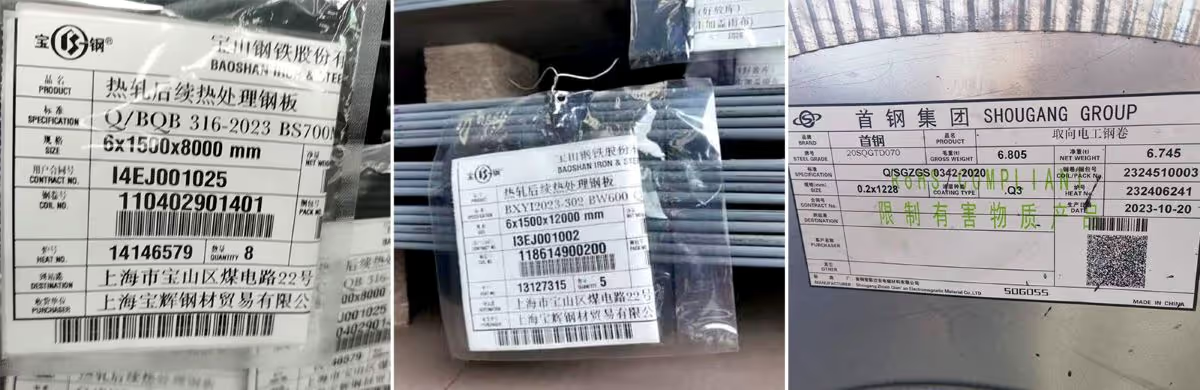
Clients can also check the marking which is like the ID of each individual steel coil or plate.
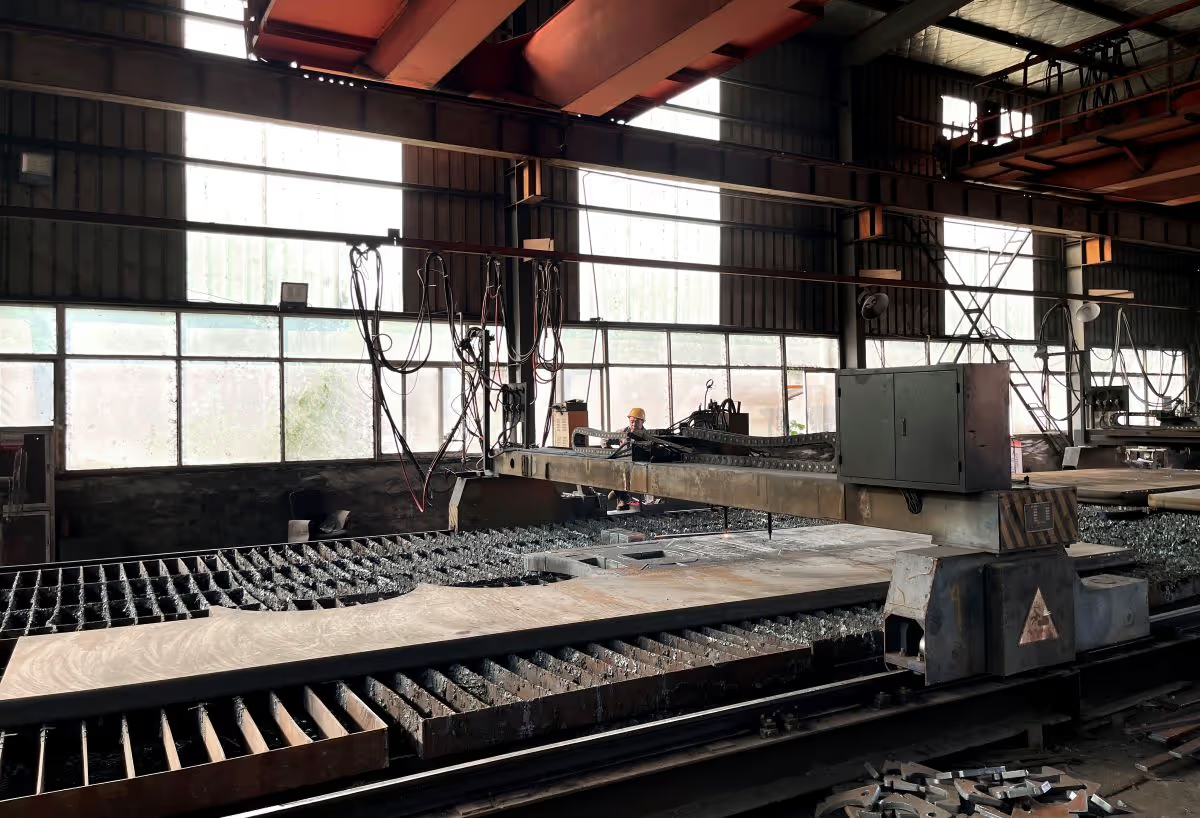
Understand Steel Processing Techniques and Requirement
Understanding the of different steel is crucial for optimizing its performance in various applications. 4 key considerations for thermal cutting, shearing, bending, and welding, ensuring the material's integrity and workability are preserved. specific processing demands
Take the processing of wear plate as and example:
Wear-resistant steel is suitable for various thermal cutting methods, including oxy-fuel flame cutting, plasma cutting, and laser cutting. However, thermal cutting can lead to edge cracking, a form of delayed cracking similar to welding cracks. The risk of edge cracking increases with the hardness and thickness of the steel plate. For thinner, hot-rolled wear-resistant steel, reducing the cutting speed in low temperatures and preheating before cutting, followed by post-cut insulation and slow cooling, can mitigate residual stress and prevent edge cracking.Thermal Cutting:
While high-strength wear-resistant steel can be sheared, the greater the tensile strength, the higher the shearing force required. Shearing of grades like ar400 and ar450 is not recommended due to their strength. When shearing, use a blade that is hard, sharp, and slightly rounded to ensure quality cut surfaces. The blade gap should be adjusted according to the steel's strength, with higher-strength plates requiring a larger gap.Shearing:
To prevent cracking due to work hardening during bending, edge deburring with a grinder is advisable. The longitudinal cold bending performance of steel plates is slightly better than transverse bending, thus requiring a slightly larger inner diameter for the same bending angle in transverse bending. The bending force can be calculated using specific formulas based on the material properties.Bending Process:
For welds of varying grades, positions, and stress states, an high-strength welding wire is preferred, along with low-hydrogen welding methods and materials. When using manual covered electrode welding, alkaline electrodes should be selected.Welding Techniques and Precautions:
- For MAG welding, use a shielding gas mixture of (15-25%) CO2 enriched with Ar, with a flow rate of 10-25 l/min. Avoid oscillation during welding, and use multi-layer and multi-pass techniques. The thermal input for welding is recommended not to exceed 10kJ/cm, ensuring an aesthetically pleasing weld appearance. Automation is preferred for long, straight welds.
- Welding should be conducted indoors with an ambient temperature not lower than 5℃. If the temperature falls below 5℃ or humidity is high, increase the minimum preheat temperature by 25℃.
- Weld paths should be strategically arranged to ensure a geometrically sound joint profile. The crown of butt joint welds should not exceed 3mm in height, and dense interlacing of welds is prohibited.
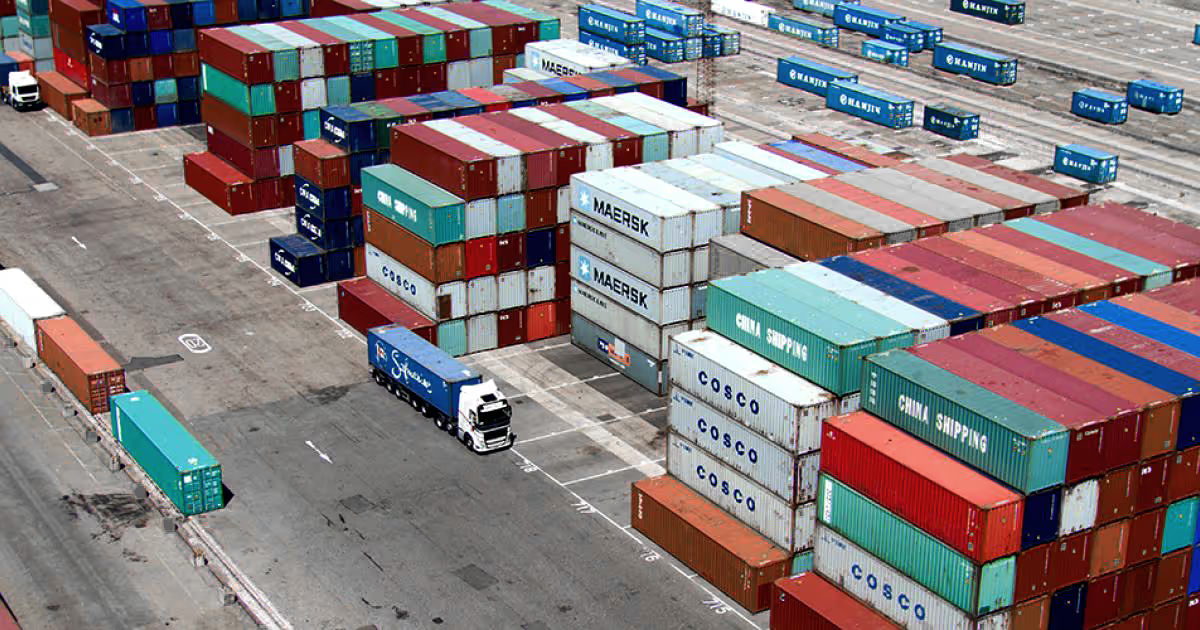
For long distance transportation, good packaging and fixed measures as well as moisture and waterproof is really important. We take pride in how we carefully pack and ship our stainless steel and metal products, making sure they reach you in perfect shape. We use sturdy, ship-ready containers to show how much we care about quality and safety. We work with experienced shipping partners who know a lot about moving steel items. They make sure everything is packed well and handled with great care.
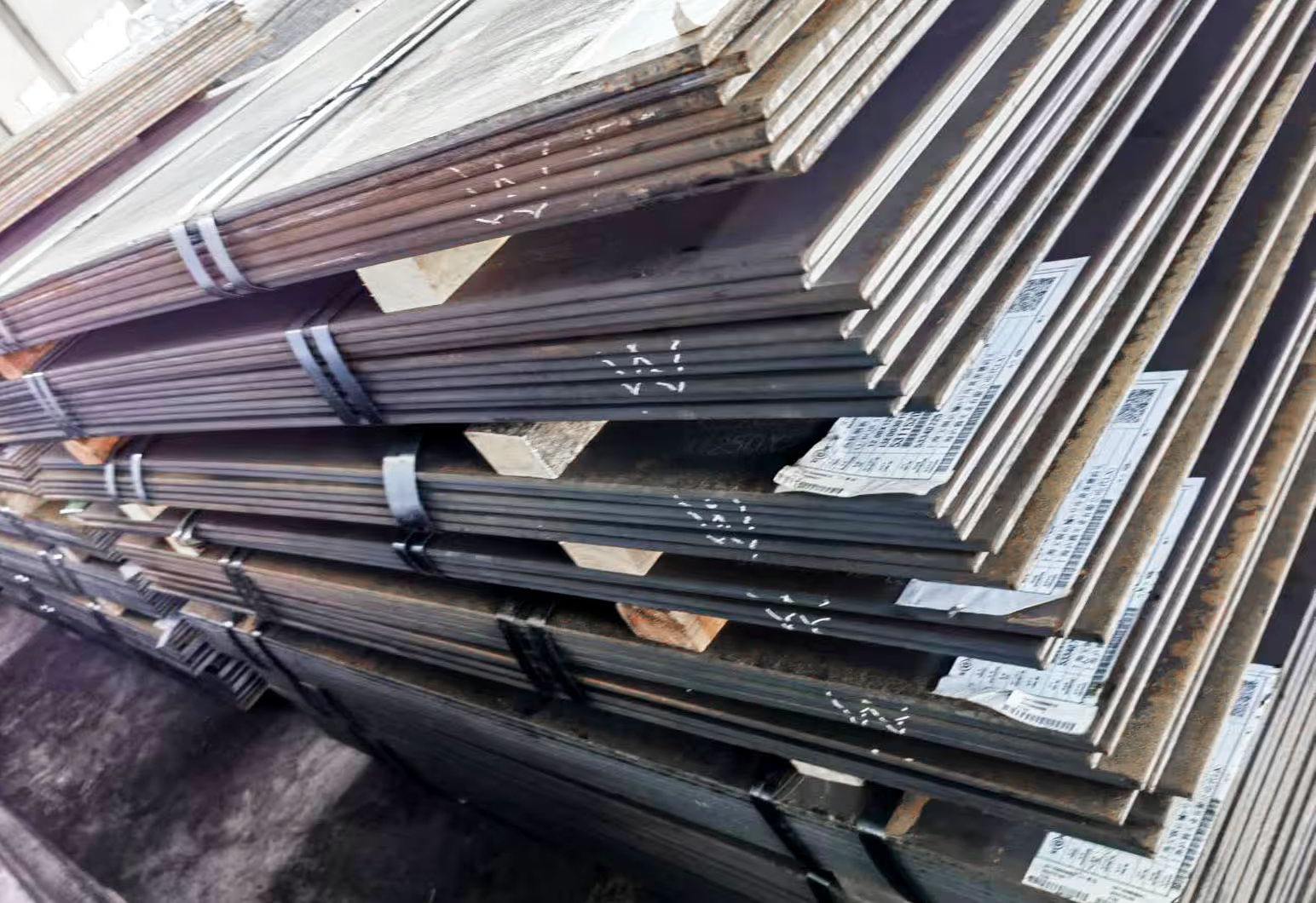
We send out large steel plates one at a time and they're often out in the open before we ship them. They usually have a bit of rust and might look a little wavy because the support underneath isn't perfect. But don't worry, this waviness usually goes away once they're in the ship's hold. We have to be careful when moving them, though, because they can get a permanent bend that needs fixing. We use special tools with hooks and chains to handle these big guys.Big Steel Plates:
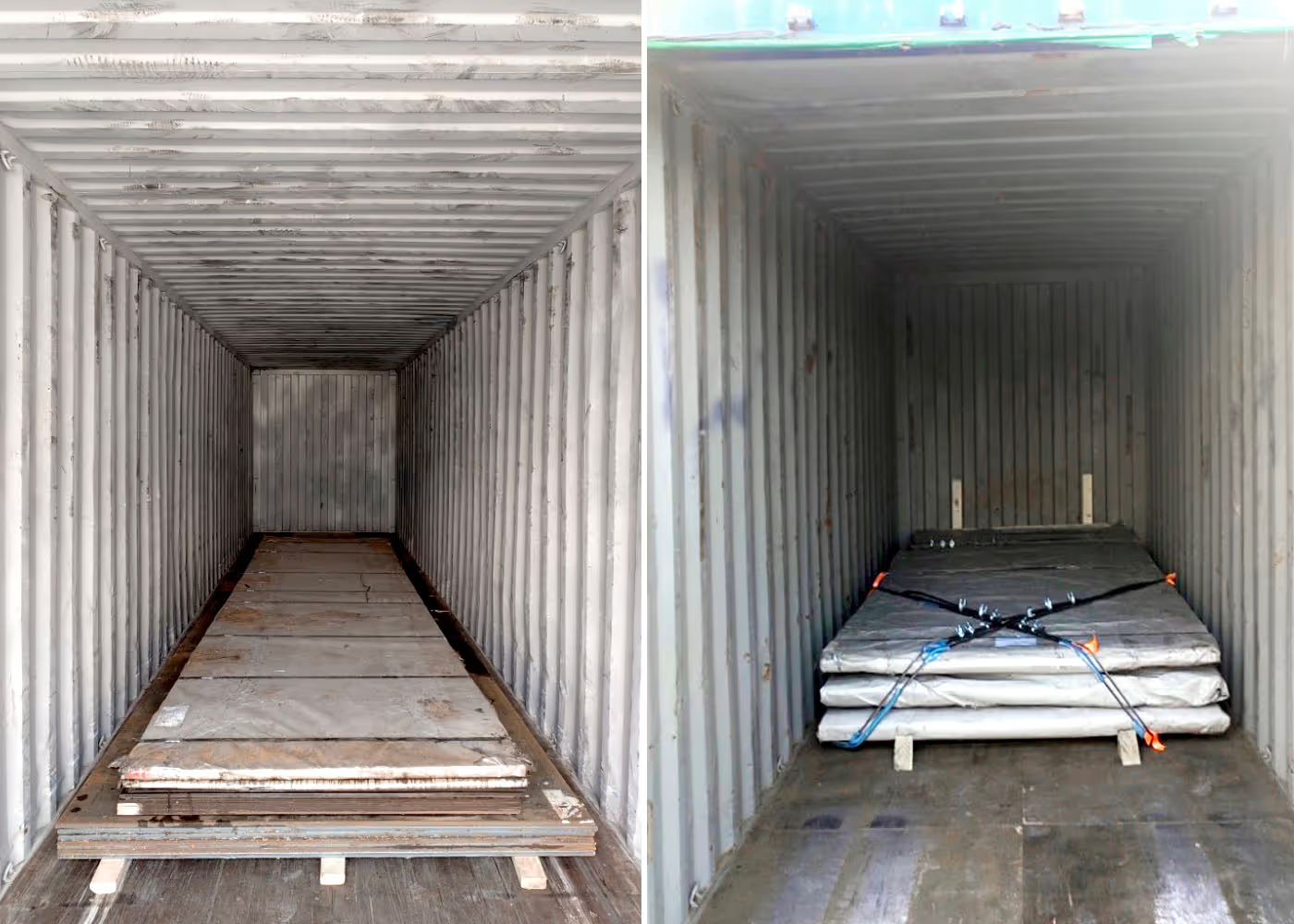
We usually store long steel plates across the width of the ship's storage area. We make sure to use lots of the right kind of padding to keep them in shape, especially if we're stacking other things on top. One time, we learned the hard way when we stacked heavy coils on top of plates without enough padding, and the plates got badly bent.Storing Long Steel Plates:
Smaller steel plates are sent in groups tied together with metal bands. These groups might have plates that are about 1 to 2 meters big, and they often have rust marks when we ship them.Small Steel Plates:
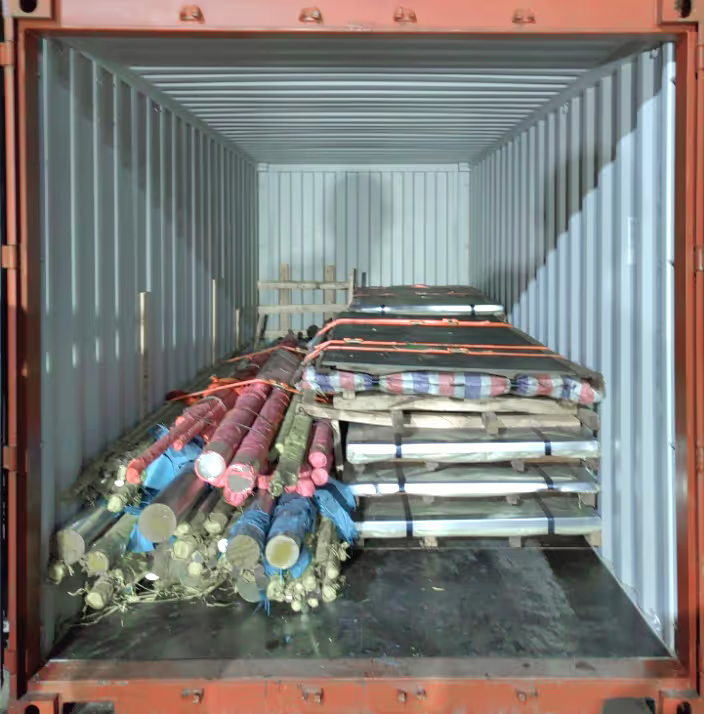
We wrap hot-rolled steel sheets with steel bands to keep them from moving around during the trip and when they're stored. We use at least two bands crossing each other to make sure they stay put. The sheets have a thin rust-like layer that forms when they're made, which gives them some protection, but it can easily come off.Wrapping Up Hot-Rolled Sheets:
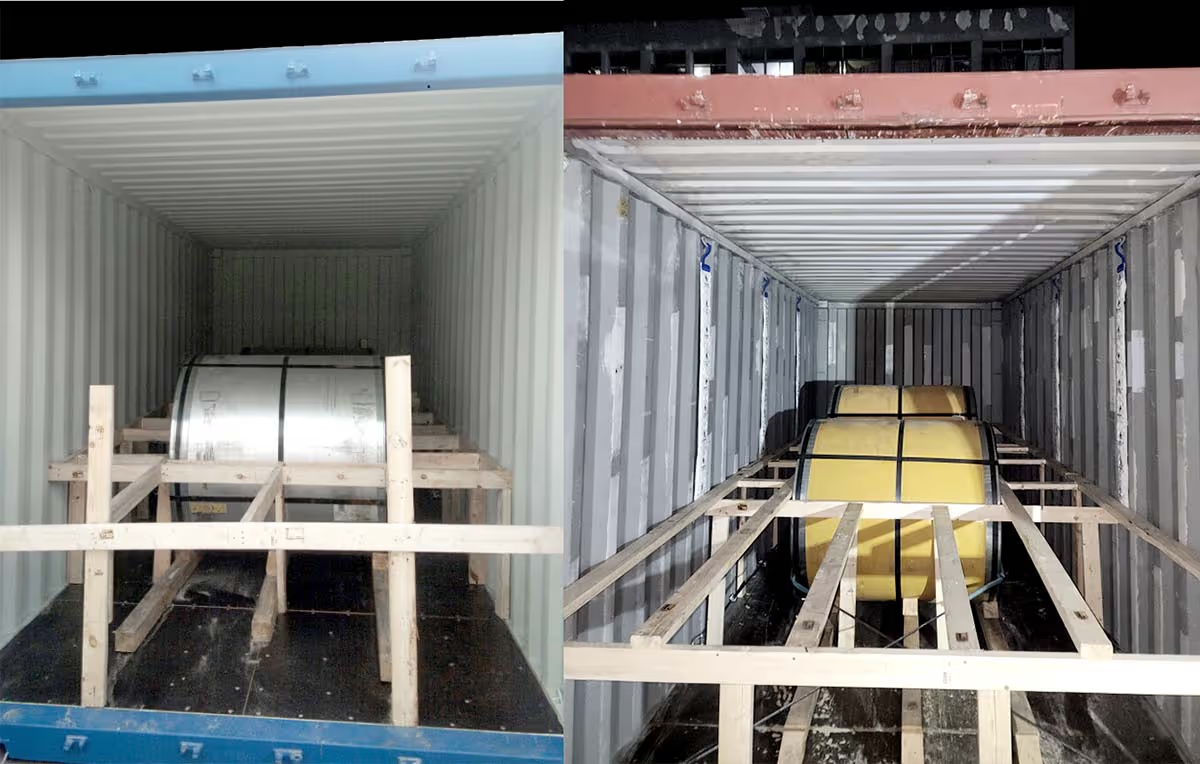
Special steel sheets like , cold-rolled ones, and , are wrapped in several layers. We tailor how we wrap them based on how good they are, how far they're going, how long it takes to get there, and how often they'll be moved.Packing Special Steel Sheets: silicon steelsheets with special coatings like zinc or tin
We usually store and ship hot-rolled steel outside without any extra protection, so it gets a layer of surface rust. This rust doesn't hurt the steel because it gets cleaned off before it's used again. But we have to keep it away from things like seawater or fertilizer, which can cause bad rust that can't be cleaned off. If the steel gets salty, we need to wash it with fresh water right away and then clean it properly to avoid problems.Keeping Steel Safe from the Elements:
Cold-rolled sheets are more sensitive to rust, so we wrap them in extra stuff like strong fiber packing or plastic-coated paper to keep them dry. It's really important to keep them away from water; we don't store them outside in the rain or handle them when it's wet.Extra Care for Cold-Rolled Sheets:
, and sheets used for electricity, need the same care as cold-rolled sheets. But we can't use certain rust protectors on them because they might mess up the coating. If water gets between the sheets, it can cause a white powdery stuff on the zinc coating. If that happens, we need to fix it so it doesn't get worse.Taking Care of Galvanized or Tinned Sheets: Galvanized or tinned sheets
In the end, picking the right way to pack and ship steel is super important to keep the quality high. By following the best practices and working with great shipping partners, we make sure your steel gets to you in the best shape possible.
Your Strategic Partner: Baohui Steel Limited
with its extensive experience in the international trade of steel, offers you comprehensive services. From the initial production of the product to the selection of the appropriate from navigating the fluctuations in tax rates of various countries to ensuring product quality certification and testing, from meticulous product processing to attentive services, and finally to packaging and transportation — we cover all the knowledge and services you need to import steel from China. As the world's largest steel producer, China has significant cost and technological advantages. Let's to start a new chapter in importing steel from China.Baohui Steel Limited,steel grade for specific application scenarios,join hands with Baohui Steel Limited
Navigating the Chinese steel market alone is complex. serves as your integrated partner, simplifying the entire process:Baohui Steel Limited
- As a , we have stable, priority access to prime materials from top mills like Baowu.Direct Mill Access:Baosteel Annual Agreement Agent
- We maintain a in Shanghai, offering readily available wear-resistant (NM series), high-strength, and other steel grades for urgent or small-batch needs.Stock Flexibility:10,000+ ton inventory
- We manage the entire chain—from to .End-to-End Service:technical consultation & standard matching, quality certification, and processing (cutting, leveling)export documentation, customs declaration, and logistics
- We stay updated on global trade policies (like AD duties) and guide you toward compliant, cost-effective sourcing strategies.Risk Mitigation:
Frequently Asked Questions
Q1: What is the single biggest cost risk when importing steel from China today? Beyond standard tariffs, many countries impose high AD duties on specific Chinese steel products. These rates are fluid and can drastically impact total cost. Always verify the latest AD/CVD measures for your product's HS code before purchasing.A1:Anti-Dumping (AD) Duties.
Q2: How can I verify if a Chinese steel supplier is legitimate and reliable? Request: 1) from major mills; 2) Sample from past shipments; 3) ; 4) References from existing international clients, if possible.A2:Authorization CertificatesMill Test CertificatesFactory and warehouse photos/videos
Q3: What are the advantages of sourcing through a trading company like Baohui Steel versus contacting a mill directly? Key advantages are Trading companies offer lower minimum order quantities (MOQ), provide mixed loads from different mills, hold buffer stock for faster delivery, and handle all export complexities (logistics, docs, inspection), saving you time and administrative burden.A3:flexibility and service integration.
Q4: What are the essential documents required for importing steel? The core documents are: and the crucial . The MTC is your primary quality guarantee.A4:Commercial Invoice, Packing List, Bill of Lading/Air Waybill, Certificate of Origin,Mill Test Certificate (MTC)
Q5: What should I do if there is a dispute over the quality of received steel? Your purchase contract should specify the Typically, both parties appoint a mutually agreed, internationally recognized third-party inspection agency (e.g., SGS, Intertek, Bureau Veritas) to conduct an arbitration test. Their finding is usually considered final.A5:inspection standard, sampling method, and dispute resolution process.